

GE Plastics changed little during the near two decades under SABIC, and a chunk of the one-time titan of plastics was earlier this year sold to a private equity fund in a subsidized deal.
The acquisition of Covestro by ADNOC’s XRG could be an entirely different story.
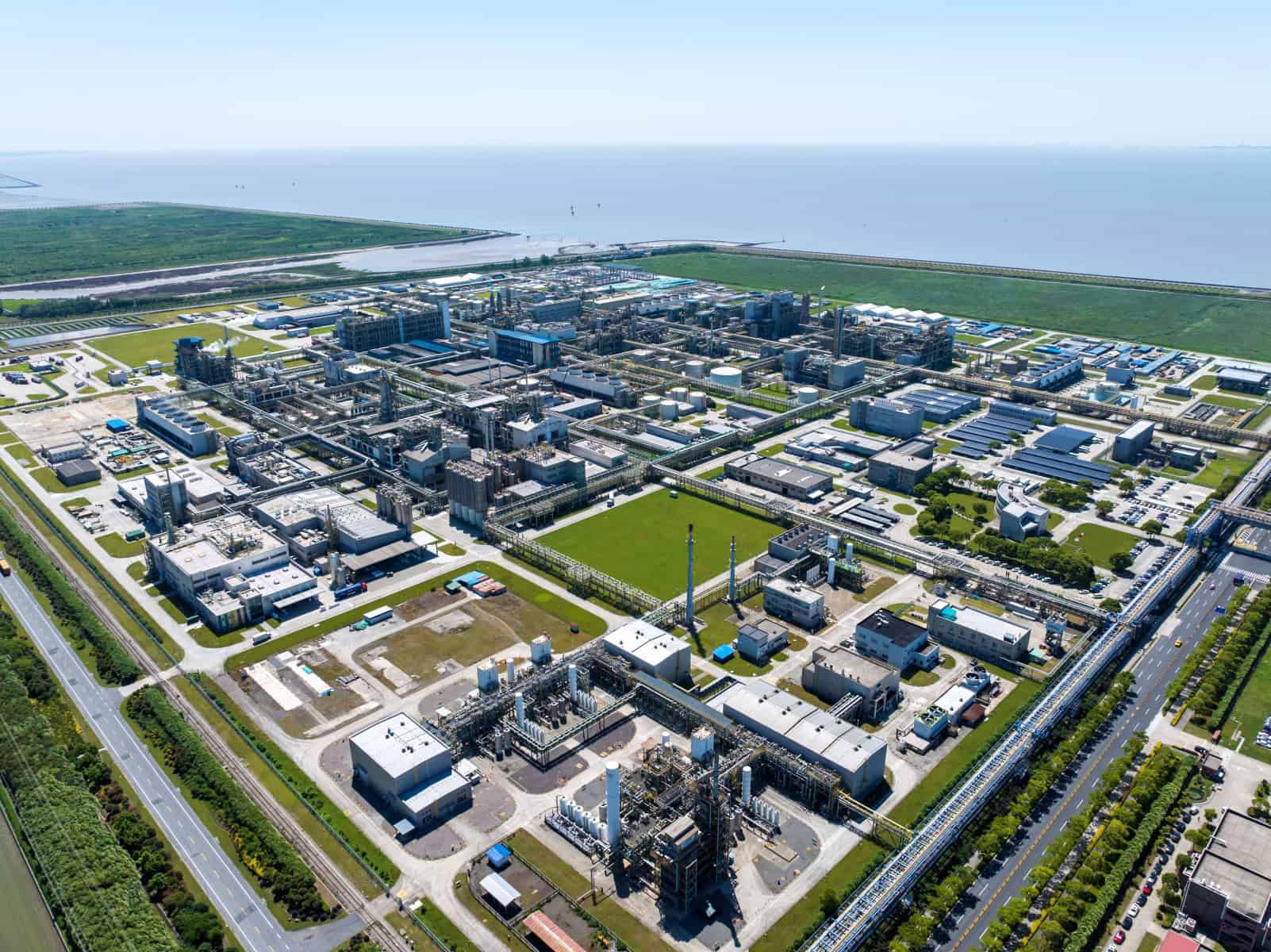
Covestro this week announced large-scale plans to expand its footprint in MDI, a precursor for polyurethane, in the midst of a chemical industry downturn. There will be the addition of a new world-scale train in Shanghai, which should come on-stream around 2030, plus the Leverkusen, Germany-based company has launched a feasibility study for a second world-scale train in Al Ruwais, UAE, in partnership with TA’ZIZ and Fertiglobe.
All told, the investment figure for these projects could be in the region of EU1.5 billion to EU2 billion, Covestro Chief Technology Officer Thorsten Dreier said in an interview with chemicalESG.
These two projects had been on its to-do list for a long while, and they are now being unlocked by the deal with XRG, which agreed to a capital increase and a EU1.2 billion cash injection.
“This is just the first visible sign” of what is to come, the CTO said.
It is a new era for a long-standing player. Covestro’s former parent, Bayer AG, invented PU in the 1930s. It also invented polycarbonates in the 1950s, around the same time that GE Plastics developed the Lexan brand. After being spun out of Bayer in 2015, Covestro went on a phenomenal run, buoyed by favorable market conditions in PU and polycarbonates. Yet the industry has periodically had its fingers burnt: over-investment in the early 2010s gave way to a general hesitancy around massive new capex plans in the following years.
The threat now is from Chinese overcapacity and the flood of imports into Europe. Dow has been evaluating strategic options for its PU business in Europe. Huntsman was doing the same before last month announcing a merger with Olin to capture synergies from its chlorine operation supplying PU makers.
With XRG, Covestro now has the luxury of thinking and acting in terms of decades, beyond the immediate concerns surrounding the very future of Europe’s chemical industry.
“There are not too many companies that are heavily investing,” Dreier told chemicalESG.
“It is key in a cyclical industry to be able to invest counter-cyclically during downturns. The timing is right for us. We are not investing for today, it is for the decades to come.”
In talking to customers, the CTO said he sense strongly that MDI demand will continue to grow on the back of PU insulation needs in construction, refrigerators, and food applications, for example. Covestro forecasts 4% or more growth in China and the Asia region.
“We are absolutely convinced that the market needs this material,” he said.
The UAE feasibility study with ADNOC would create one of the most competitive MDI facilities, according to Dreier. Having an MDI train embedded in a wider network is critical due to the need for integrated chlorine, and the differing value streams and by-products from hydrochloric acid.
“Those kinds of integration are absolutely crucial for your site,” Dreier said.
Covestro will retain its MDI operations in Uerdingen, Brunsbüttel, and Tarragona. Just a few years ago, it spent EU200 million on a new world-scale chlorine plant for Tarragona using an oxygen-depolarized cathode technology that requires less energy and emits lower CO2 levels. Spending plans in Europe will revolve more around sustainability, energy efficiency, and introducing new technological advances.
Chemists are famed for overthinking things. But in the case of Brunsbüttel, Covestro has adopted something of a throwback concept. Working with Rondo Energy, excess renewable energy is used to heat thousands of refractory ceramic blocks that supply 10% of the site’s total steam needs. “Substantial” investment is going into testing the facility at larger scale, according to the CTO.
“It is one of the easiest technologies, but it works,” Dreier said. “This is sustainability at its best.”