


Mutares’ entrance into the world of chemical industry investing has been nothing short of spectacular, with a run of deals in a matter of months. It is just the start, according to Chief Investment Officer Johannes Laumann.
The Munich-based private equity firm is currently eyeing a handful of other assets to build out its new Chemicals & Materials platform.
“We want to do another one or two this year in the chemicals segment,” Laumann said in an interview with chemicalESG. The current focus is predominantly on the US market. Of the four or five opportunities, just one is in Europe, Laumann said.
Well known in manufacturing industries like automotive, this special situations investor hadn’t featured in chemicals before. Give or take the odd wild card, there has been a stable of usual suspects when it came to chemical M&A. But like newcomer AEQUITA, Mutares uses a different funding model to the limited partners approach of established value investors like Syntagma and Aurelius.
Just to recap, Mutares’ whirlwind buying spree over recent months has included SABIC’s European and US thermoplastics division with estimated sales of $2.4 billion, a Venator facility in France making ultramarine blue pigments, and an EU110 million acrylate monomers business from Synthomer Plc. If you are struggling to see how these assets gel, they don’t. Mutares is not looking to create another INEOS.
“I don’t believe in putting things together because they make chemicals,” Laumann added. “You have 50 to 60 different chemical segments. They don’t have anything to do with each other.”
That said, the CIO indicated there could potentially be an add-on for the SABIC asset, which included classic resin brands like Lexan.
If there is one common thread in Mutares’ portfolio, it is that the acquisitions are so-called dowry deals, in which the seller provides some financial support when offloading an asset. The buyer takes on the risks and costs of running a plant, which is struggling to make a profit and has a question mark over its future.
Some companies are into their third year of cost cutting to help survive the tectonic shifts in trade policy, regulations, energy costs, and raw-material supply, yet they are still not seeing any growth. At that point, CEOs start to look at divesting the weaker parts of their portfolio, even if it means paying someone to take it off their hands.
Needless to say, there is a lot of interest among bankers and industry executives in how these investments play out, especially if the Strait of Hormuz reopens and the flood of cheap chemicals from China resumes in full.
Alongside sell-side dowries, Mutares can raise capital through corporate bonds, equity capital increases or revolving credit facilities, providing more flexibility on exits and holding periods than those relying on LPs. They use their in-house advisory and investment teams to restructure and reduce headcount more effectively than a parent company could. Upside comes from improved efficiency, any market turnarounds and, ideally, the option of selling it on.
Mutares spends the first six to 12 months getting a handle on the acquired asset and setting a path to cash-flow break-even to avoid further investment to “keep it alive.”
Laumann described Synthomer’s plant in the Czech Republic as frankly “a deal that was too good not to make it,” even though some issues came to light late in the divestment process. Mutares plans substantial operational and commercial optimization to tackle overheads and processes, and to get rid of silos within the site. There will also be a more entrepreneurial approach to selling.
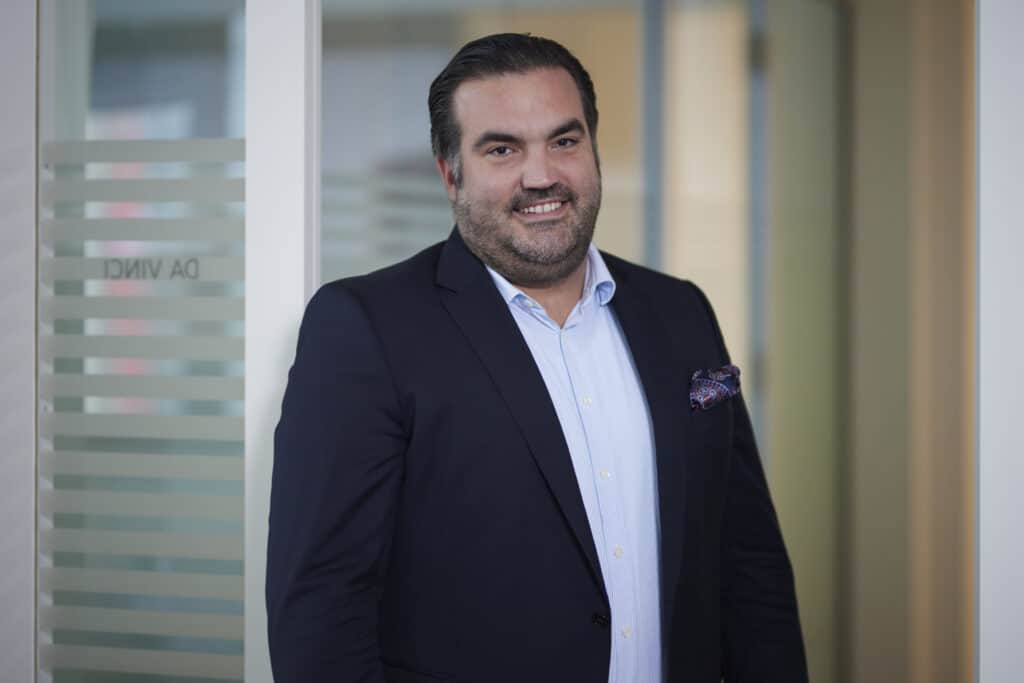
“They were super reactive, basically sitting in front of the phone and waiting until the customer calls,” Laumann said in the interview, adding that there is a good pipeline of upgrades to the existing products that was initiated by Synthomer.
“For us, it is about bringing in additional volumes from existing customers, but also new customers. Our chemical experts trust that this can fly.”
In addition to external advisers and market studies, Mutares has had to take on some sector expertise, including chemical engineers and leaders like ex-Assa Abloy’s Maurice Lelievre, to help with operations and capex investment decisions. Laumann, himself a former EY consultant, spent time at Atlas Copco’s Gas and Process division serving clients in chemicals and industrial gases.
In other ways, Mutares is like any other PE firm, typically looking to exit an investment in three to four years. Last week, Laumann co-hosted Mutares’ AGM after a high-volume year for exits that included Peugeot Motorcycles, NEM Energy, and Hyundai Heavy Industries Power Systems. Revenue for fiscal 2026 is expected to be EU7.9-9.1 billion, with net income of EU165-210 million.
Laumann views AI as a largely untapped opportunity in the chemical sector and there are lessons to be learnt from the broader manufacturing space.
“I was just at a site visit in the US, a very nicely invested plant when it comes to the hardware, but they operate this plant like they did in the 1980s,” the CIO said. “There is not a lot of difference between operating a paper mill, a chemical plant, or an oil and gas plant. When you walk into these plants, they tell you that everything is special. If you dig a little bit deeper, at the end of the day it is a process, and how to bring stuff from A to B, how to clean it, and how to store it.”